The Girl with the Port Wine Stain: Faith and the Marks We Carry
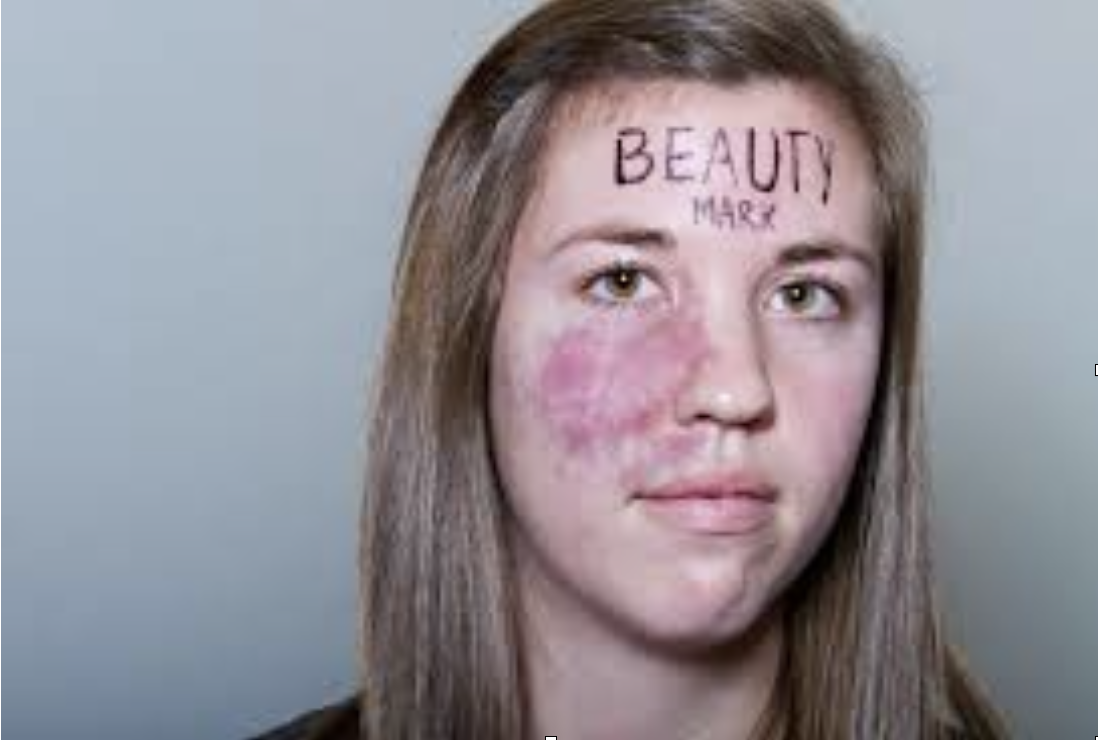
On a fifth grade class trip to an environmental learning center on Lake Superior’s North Shore, a young girl with a port wine stain on her right cheek walked up to a parent chaperone, looked him in the eye, and started a conversation. His glance drifted to the birthmark for only a moment, and she looked down. In this episode of Headwaters Journal, our host, a family medicine physician and ordained Lutheran pastor, returns to that brief encounter to ask what healing might look like for her, and for all of us who carry marks of our own.
What Is a Port Wine Stain? Causes, Symptoms, and Treatment
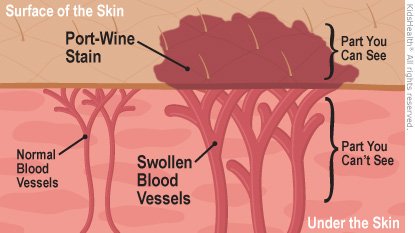
A port wine stain is a vascular birthmark found in about three of every 1,000 newborns. It forms when tiny blood vessels in the skin keep widening because their chemical signals never switch off, and researchers have traced it to a mutation in a single gene. Unlike a stork bite or strawberry mark, it grows with the child and often darkens and thickens with age, though pulsed laser therapy can fade it dramatically over a series of treatments. Medically, the bigger concern is rarely physical harm but how the mark affects a young person’s confidence.
Is Medical Treatment Enough? Healing That Goes Deeper Than the Skin
For many families, an effective laser treatment would close the story. The host suggests the story may not be finished with us, since even a nearly invisible mark can leave someone wondering what it means to be loved, blemish and all. He resists diagnosing too quickly, noting that her lowered eyes might simply reflect a fifth grader’s shyness, or even a healthy humility. Reading her experience through Isaiah 35, “then shall the eyes of the blind be opened,” he wonders whose eyes truly need healing, hers or those of everyone who looks at her, himself included.
What Does the Bible Say About Facing Judgment? Lessons from Luke 7
To find words for a child who will face criticism, the host turns to the woman who entered the house of Simon the Pharisee to anoint Jesus’ feet (Luke 7:36-50). He asks what we would say to encourage her at the gate, and sets aside the familiar answers: avoid the room, attack the judges, or insist that judgment isn’t real. The judgment in that room was real, just as it is in our schools and workplaces, and he points out that the New Testament word for crisis, krisis, means judgment. What gave her courage, he proposes, was not that God is everywhere but that Jesus was in that room, and he was there for her.
The Meaning of Stigmata: Marks of Shame and Marks of Christ
The Greek word stigmata simply means marks, usually the kind that signal disease or keep someone at a distance from their community. The risen Jesus made himself known to his frightened disciples through the marks in his hands and side (John 20), and Paul closed his letter to the Galatians saying he bore the marks of Jesus on his own body. The host questions whether calling a birthmark a “beauty mark” will be enough to help a child shine under the teasing of preadolescence. His hope is something deeper: that she would come to see her mark as one Christ shares, a place where God’s power is made perfect in weakness, a hope that extends even to scars people carry by their own doing.
How Pastors and Churches Can Support Kids with Visible Differences
Any healing conversation with a child like this must rest on trust, and usually she needs to be the one to open the door. Sometimes pastors, physicians, and loved ones sense an issue needs addressing anyway, but the host urges patience, reminding us that a healthy person is both tough minded and tender hearted. A welcoming youth group offers a natural setting for friendship, Bible study, and prayer, because in the New Testament healing always restores a person to community. In that setting the girl is only the “identified patient,” and she may become an occasion of healing for everyone around her.
What Is the Righteousness of God? Martin Luther and Romans 1:17
The episode closes with Romans 1:16-17, the passage that sparked Martin Luther’s insight and the Reformation. Righteousness has nearly vanished from our vocabulary, and the host admits that in over 20 years of medicine he has never seen it on a problem list. Yet the righteousness given in the gospel speaks to what this girl and her onlookers most need, including identity, worth, security, and the freedom to live in one’s own skin. Seen this way, righteousness is not merely a moral category but the gift that lets us face judgment and still belong.
Notable Quotes
“It’s like having a delicate butterfly land on your shoulder while resting from a hike, reflexively shooing it away only to realize what a gift had just been lost.”
“There may be deeper levels of meaning or deeper levels of healing that are accessible through this story, if we do not abandon it too quickly.”
“Being in your face has not yet been listed among the Christian virtues that I can recall.”
“Jesus is in that room. Jesus is in there and he is in there for you.”
“A human soul is a precious thing, both delicate and resilient, and our zeal for healing must be tempered with good judgment.”
“A healthy person is at once tough minded and tender hearted.”
“The setting for healing from a Christian perspective is always the community.”
“I have been practicing medicine for over 20 years, and I have never seen it included in the differential diagnosis or in a problem list.”